
An MRI scan might make a hidden health concern visible to medical professionals. Many feel tense about what happens before, during, and after the scan. An MRI test in Siliguri or any other place helps in diagnosis of a disease. When you know about MRI scan preparation, it may make it much easier, regardless of whether you have been recommended to have an MRI for neurological symptoms, persistent pain, an injury, or to monitor an existing disease.
Ionizing radiation is not used in MRI (Magnetic Resonance Imaging), which creates comprehensive images of internal body structures using radio waves and a strong magnetic field. Because of this, MRI is especially helpful when medical professionals need to examine soft tissues, the brain, spinal cord, joints, organs, blood vessels, or other places in more detail.
MRI Scan Overview
In simple words, an MRI scan creates highly detailed images of the inside of the body and is a non-invasive diagnostic imaging technique. The scanner has a movable table and looks like a big tube. As you lie on the table, it enters the scanner and specialized coils gather the signals needed to produce images.
For the examination of soft tissues, doctors mostly recommend an MRI (very useful). An MRI might reveal information that might be challenging to gather using traditional X-rays or other imaging methods, depending on the body area being examined.
Doctors might advise an MRI to:
- Examine symptoms that cannot be explained
- Identify or evaluate injuries
- Examine the spinal cord and brain
- Examine the cartilage, muscles, ligaments, and joints
- Examine the pelvic or abdominal organs
- Examine specific heart and blood vascular issues
- Find or keep an eye on tumors
- Track the effectiveness of a treatment
- Assist in the planning of certain surgical or other procedures
Hence, an MRI might be effective for follow-up and treatment planning.
Health Conditions an MRI Can Help Evaluate
Numerous medical disorders can be diagnosed with MRI. Your symptoms and the question your doctor wants the scan to address will determine the precise kind of MRI.
An MRI of the brain, for instance, can be used to look into migraines, neurological complaints, strokes, tumors, or other anomalies. Disks, nerves, the spinal cord, and surrounding tissues can all be thoroughly examined with a spine MRI.
Also, MRI can be used to assess:
- Orthopedic injuries and sports
- Tendon or ligament issues
- Joint conditions
- Some tumors and malignancies
- Abnormalities of the abdomen and pelvis
- Certain vascular disorders
- Some cardiac disorders
- Degenerative or inflammatory changes
How to Prepare for an MRI – What You Need to Know
The sort of MRI you are having will determine how you should prepare. Instead of assuming that every MRI requires fasting, follow the particular recommendations provided by your imaging center or your doctor.
Inform your medical team about implants & metal. Discuss implants and metal with the medical staff. An extremely powerful magnetic field is used in MRI. A pacemaker, aneurysm clip, cochlear implant, surgical hardware, metal fragments, or any other implant should be disclosed to the clinician before the scan.
Many contemporary implants are MRI-compatible; nonetheless, the team must confirm the precise device before scanning.
Remove metal and electronic items. Before you enter the MRI room, you will typically need to take off any jewelry, watches, phones, keys, credit cards, hair decorations, and other metal or electronic items.
Also, if your clothes have metal parts like zippers or fasteners, you might be required to change into a medical gown.
Discuss pregnancy and medical conditions. If you believe you may be pregnant, let your doctor or the MRI technician know. You also should mention if you have kidney issues, prior operations, allergies, and any prior MRI contrast reactions.
Inquire about contrast. A contrast agent, usually one based on gadolinium, is needed for some MRI exams to highlight specific tissues or anomalies. When contrast is being considered, your medical team may evaluate kidney function.
Though gadolinium reactions are rare, further testing may be necessary before administering some contrast agents to patients with severe kidney disease.
If you are claustrophobic, let doctors/ clinicians know. It's normal to feel nervous inside the scanner. Before the appointment, let the imaging staff know, and options could include music, an open or wider-bore scanner, reassurance, or anxiety medication, depending on the test and facility.
You might not be able to drive after receiving sedation, so make travel arrangements and adhere to the facility's directions.
Does an MRI Scan Hurt?
Most people don't experience any pain during an MRI. However, long stretches of time spent in one position may cause discomfort, and claustrophobia may make the enclosed space difficult for you.
Although hearing protection is included, the scanner itself may be noisy, and the area being scanned may also feel heated to the touch. You might have a mild or temporary sensation of warmth, cold, or an odd taste in case contrast is injected.
Benefits and Risks of MRI You Should Know
Benefits
The fact that MRI produces detailed images without the use of ionizing radiation is a key benefit here. Plus, it can capture a wide variety of body areas and offers superior soft-tissue contrast.
For a few people, an MRI may yield information that aids in improved treatment planning or the avoidance of more intrusive diagnostic procedures.
Risks
When proper screening and safety protocols are followed, MRI is usually safe. However, the strong magnetic field raises serious safety issues when it comes to some metal items and implants (let your doctor know).
Possible problems may be:
- Issues with metal fragments or dangerous implants
- Claustrophobia or temporary discomfort
- Unusual responses to contrast agents
- Very uncommon side effects of several contrast agents in patients with severe kidney damage
- Risks associated with sedation if medicine is needed
What Happens During the Scan
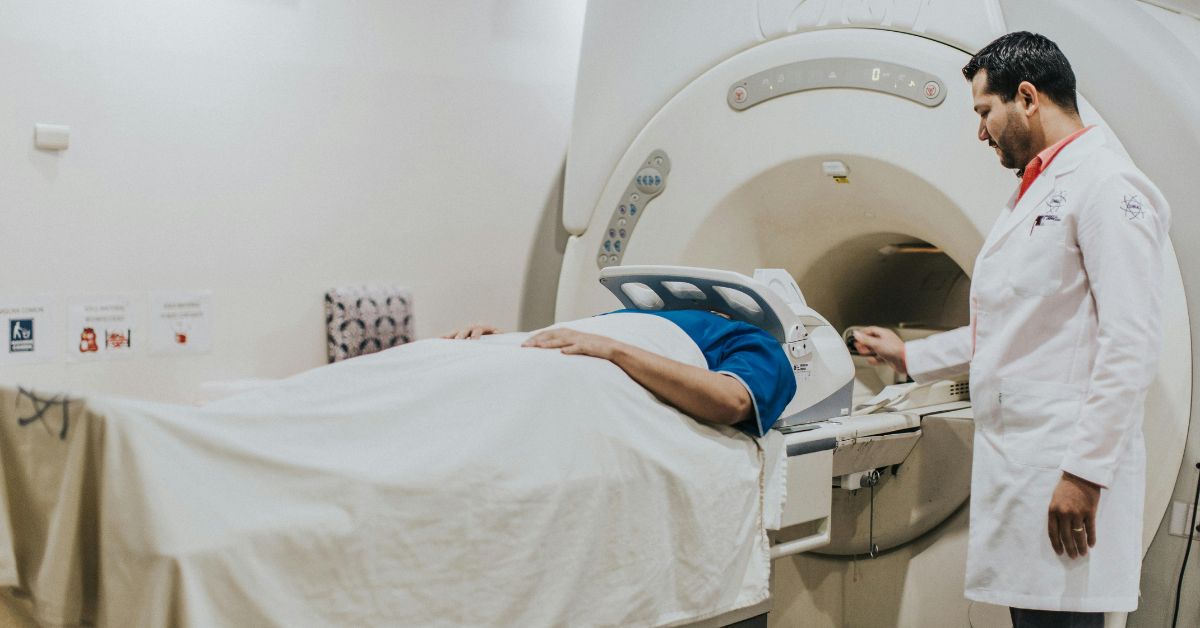
The technician will finish a safety screening and walk you through the process when you get there. Generally, you'll lie on a padded table. A device known as a coil may be placed around the body part under examination, depending on the scan.
After that, the table enters the MRI scanner. While gathering images, the device generates loud tapping, pounding, or thumping noises. Usually, headphones or earplugs are offered.
You might be able to speak with the technician via an intercom, and you might have a squeeze device or call button to let them know if you need help.
What Takes Place Following an MRI?
Most people can resume their regular activities and diet right after the scan if they were not sedated. Serious responses are rare, although mild side effects such as a headache, nausea, rash, or brief discomfort at the injection site can happen.
A radiologist examines the pictures. After that, your referring doctor will go over the report with you and explain how the results will influence your treatment.
MRI Preparation Checklist
Remember this easy checklist before your appointment:
Before the MRI scan
- Verify if fasting is necessary.
- Find out if you should take your usual medications.
- Inform the healthcare center/ the doctor about medical equipment and implants.
- Talk about being pregnant or potentially pregnant.
- Report any pertinent kidney issues and prior contrast responses.
- Take off any jewelry and extraneous metal items.
- If you experience severe anxiety or claustrophobia, let the professionals know.
What to expect during the MRI scan
- Observe the placement guidelines provided by the technician.
- Remain as motionless as you can.
- Use the headphones or earplugs that are provided.
- If you need help or are uncomfortable, let others know.
- Observe breathing or breath-holding directions.
After the MRI scan
- If you have not been sedated and are unrestricted, return to your regular activities.
- Observe any sedation or contrast instructions that your medical team may give you.
- Talk about your MRI results with the physician who prescribed the test.
Final Words
Well, this is a non-invasive imaging technique that can yield crucial information without the use of ionizing radiation. The MRI scan preparation is simple: ask about contrast, remove any metal objects, follow the facility's guidelines, disclose implants and medical conditions, and let the personnel know if you are claustrophobic or worried.
Speak with one of the most trusted radiologists in Siliguri, Dr. Yugal Goyal, for MRI scans in the city.
FAQs
1. Is eating permitted before an MRI scan?
Yes, most of the time; however, it depends on the kind of MRI and the facility's guidelines. A few exams require a certain amount of fasting, so always follow the preparation guidelines specific to your scan.
2. Is an MRI scan painful?
In most cases, an MRI is painless, but staying motionless for a long time, the small area, or the IV if contrast is used can all cause discomfort. Ear protection is typically offered because the scanner itself makes loud noises.
3. Is contrast used in MRIs safe?
When administered under expert supervision, gadolinium-based MRI contrast agents are usually regarded as safe, and severe side effects are really rare. Before getting contrast, however, let your medical team know about any prior contrast reactions and kidney disease.
4. If I have claustrophobia, what should I do?
Before your appointment, let the MRI center know that you have claustrophobia or if you have difficulty breathing. Options could include a wider or open scanner, supportive tactics, or anxiety-reduction medication, depending on the facility and type of scan.
5. After an MRI, can I drive home?
You can usually return to your regular activities after a typical MRI without anesthesia. You should follow your healthcare provider's driving instructions if you take medication for anxiety or sedation, as you could need a ride home.


