
What if a big incision, a protracted hospital stay, and the recuperation that come with typical surgery weren't always necessary for treating a medical condition?
With the use of standard imaging equipment, modern medicine is increasingly able to detect and treat complicated illnesses through fine, well-planned entry points. Interventional radiology (IR) is a vital advancement in this area. A radiologist in Siliguri might help in this regard.
Understanding interventional radiology can have a great impact on healthcare decisions for people considering treatment alternatives. In certain situations, image-guided operations may provide a successful substitute for traditional surgery.
What Is Interventional Radiology?
The medical specialty of interventional radiology uses imaging technology for minimally invasive disease diagnosis and treatment. An interventional radiologist utilizes imaging equipment like ultrasound, X-ray, fluoroscopy, computed tomography (CT), or magnetic resonance imaging (MRI) to guide specialized devices.
This is a precise place inside the body. These tools could include stents, balloons, needles, guidewires, and narrow catheters. They can be used by doctors to treat specific tumors, open constricted blood arteries, control bleeding, administer medication, and drain fluid.
Typically, interventional radiology is carried out in a hospital operating room, angiography suite, or specialized treatment room. Patients may be given general anesthesia, sedation, or local anesthetic, depending on the surgery.
Delivering precise treatment with the least amount of tissue harm possible is the main purpose. Even though many IR procedures are less invasive, they are still medical operations that demand proper patient evaluation, clinical knowledge, and aftercare.
What Is the Process of Interventional Radiology?
To put it simply, real-time imaging and well-calibrated medical equipment are combined in interventional radiology. Based on the health concern being treated, the precise procedure changes.
The process usually involves the following steps:
Pre-procedure assessment: Your specialist examines the patient's medical history, imaging reports, prescription medications, allergies, and proper lab results prior to the treatment.
Image-guided access: Using a suitable imaging technique, the doctor locates the treatment location and makes a tiny skin puncture or incision to access it.
Targeted treatment: To administer the treatment, a catheter, needle, or other tool is guided to the necessary site.
Completion and monitoring: The patient is watched for any urgent issues, the access site is secured, and the instruments are taken out.
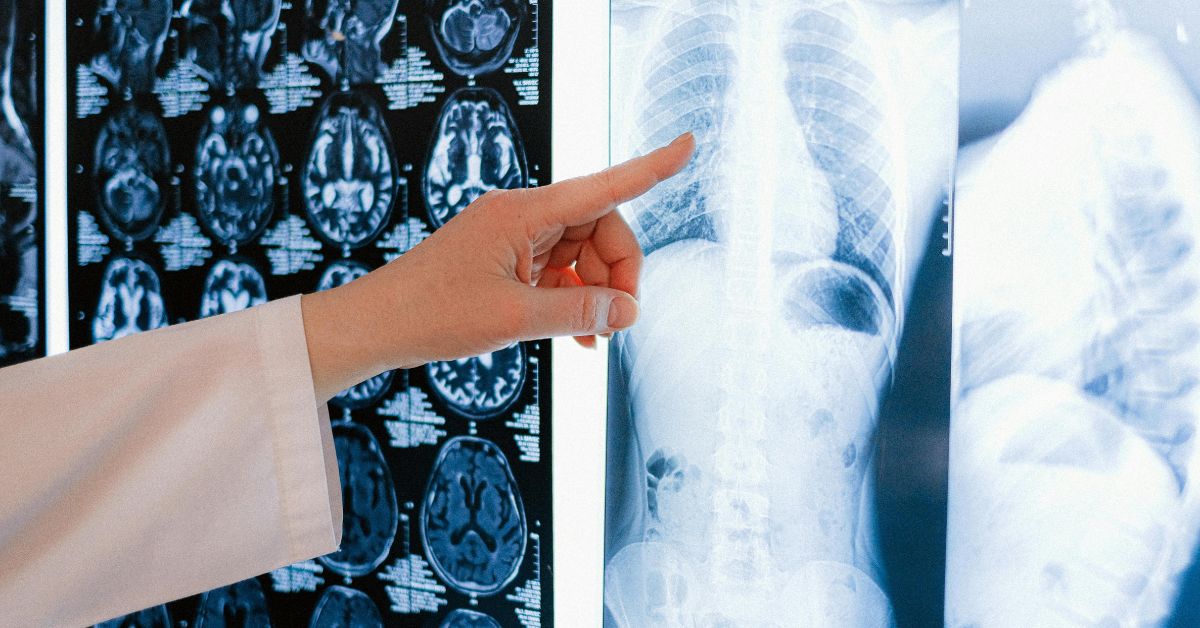
Common Procedures in Interventional Radiology To Talk About
Well, many techniques for both vascular and nonvascular disorders fall under the broad category of interventional radiology, and among the most prevalent are:
Stenting & Angioplasty
Angioplasty helps in the expansion of constricted or obstructed blood vessels, while a stent may be inserted to help keep the damaged vessel open after a tiny balloon is inflated inside.
In certain patients with vascular disease, these procedures can enhance blood flow, leading to better cardiac functioning.
Embolization
Embolization is the process of using specific materials to restrict a specified blood vessel. This may help treat certain malignancies, regulate uterine fibroids, control internal bleeding, or treat specific vascular problems.
The purpose of the treatment is to lessen blood flow to a particular location without the need for traditional open surgery.
Image-Guided Biopsy
An interventional radiologist may use CT, ultrasound, or another imaging technique to guide a needle into the target location and get a tissue sample.
This is when a suspicious mass or abnormal tissue is found, and after that, the material is analyzed in a lab to aid in the diagnosis.
Drainage Procedures
Infection, inflammation, or illness can occasionally cause fluid, pus, or other collections to form inside the body.
A medical expert here can remove the fluid and support treatment by inserting a tiny tube into the collection using image-guided drainage.
Tumor-Directed Treatments
Procedures including cryoablation, microwave ablation, and radiofrequency ablation can help treat certain cancers. These clinical techniques use heat or cold to kill the targeted tissue.
Transarterial chemoembolization (TACE), which restricts blood supply to the tumor while delivering chemotherapy through specific arteries, is another treatment option for some cancers.
Venous Access & Urinary Procedures
When the normal urinary channel is blocked, interventional radiologists may install a nephrostomy tube. This tube helps drain urine, undertake procedures to restore blood flow in specific veins, or implant central venous access devices for feeding or medication.
The diagnosis, the problem's location, and the patient's general health all influence the best course of action.
Which Conditions Are Treatable by Interventional Radiology?
Multiple problems can be diagnosed or treated with interventional radiology, such as:
Vascular diseases: These include constricted/ blocked blood arteries, vascular abnormalities, peripheral artery disease, and some forms of deep vein thrombosis.
Cancer: Tumor ablation, some catheter-directed cancer treatments, and biopsies of suspected spots.
Internal bleeding: Bleeding caused by trauma, specific surgical problems, or other diseases that embolization can address.
Uterine fibroids: In certain people, uterine artery embolization may help control fibroid-related symptoms.
Urine blockage: Obstruction that needs to be drained, including some types of hydronephrosis, is a kidney and urinary tract condition.
Infections and fluid collections: Drainage of some normal fluid accumulations and abscesses.
Painful spinal conditions: Some individuals with painful vertebral compression fractures may be candidates for vertebroplasty or kyphoplasty.
Understanding the Key Benefits of Interventional Radiology. Though results differ by treatment and patient, interventional radiology has a number of potential advantages over traditional surgery.
Smaller incisions: To minimize tissue disruption, several techniques only need a small puncture as opposed to a big surgical incision.
Reduced hospital stay: While some therapies are administered outpatient, others necessitate hospitalization or observation.
Targeted treatment: By reducing needless intervention in nearby tissues, image guidance enables professionals to focus tools or treatments on the afflicted location.
Less discomfort following surgery in certain situations: Though pain can still occur, smaller access sites may cause less suffering than bigger incisions.
Potentially shorter recovery: Based on the surgery and the general health, patients may resume their regular activities earlier than following comparable open surgery.
Alternatives to major surgery: When traditional surgery would be riskier or more invasive, IR might be a useful therapy alternative for qualified patients.
Interventional Radiology vs. Traditional Surgery – What to Know
An important question patients ask is whether interventional radiology can replace surgery. In many cases, it can provide an alternative, but the two approaches serve different purposes, and both are highly crucial based on the situation.
Feature | Interventional Radiology | Traditional Surgery |
|---|---|---|
Access | Usually a fine or minimal puncture/ incision | May require larger incisions |
Guidance | Clinical imaging guides treatment | Direct visualization, including surgical techniques |
Recovery | Usually shorter for comparable procedures | May involve a longer recovery |
Anesthesia | Local anesthesia, sedation, or general anesthesia based on surgery | Often general or regional anesthesia based on surgery |
Suitability | Depends on the condition and treatment target | Depends on the health concern and surgical requirements |
What Are the Risks of Interventional Radiology?
Yes, IR is less invasive; still, it carries some risk. The technique, the patient's medical background, and the treatment location influence potential risks.
Potential risks are:
- Bruises, bleeding, or infection where the access was made.
- Damage to an adjacent organ or blood vessel.
- Allergic responses to contrast agents used in specific imaging procedures.
- Kidney-related issues brought on by contrast exposure in patients who are at risk.
- Radiation exposure during fluoroscopy or X-ray examinations.
- Blood clots, therapy failure, or procedure-specific issues.
How to Prepare for a Procedure in Interventional Radiology
The type of surgery and kind of anesthesia needed decide the preparations needed. The following actions might be suggested by your medical team:
Examine your medical background: Tell your doctor about all of your medications, allergies, past surgeries, and current health problems.
Talk about blood thinners: Anticoagulants and antiplatelet medications should never be stopped without specialized medical advice.
Observe the guidelines for fasting: If sedation or anesthesia is scheduled, your doctor may advise fasting.
Finish any necessary testing: Prior to treatment, blood tests or imaging exams are essential.
Plan transportation: If sedation is used, you could require a ride home with assistance.
Recovery After Interventional Radiology
Your overall health, the access location, and the surgery all affect how well you recover. Before the clinic or doctor ensures your release from treatment, the team may check your vital signs, look for bleeding, and evaluate your level of pain.
While some patients require overnight observation or a prolonged hospital stay, many can go home the same day. Instructions on medication, activity limitations, wound care, and follow-up appointments may be given to you.
When to Seek Medical Consultation
During the appointment, find out which procedures are appropriate for your diagnosis, how likely they are to be helpful, what future risks/ complications might arise, and how long recovery might take. Talk about the specialist's experience with the suggested procedure as well as whether further care is necessary.
If you have symptoms requiring IR care or you need a second opinion, consult your medical healthcare provider.
Final Words
Interventional radiology treats a variety of medical health concerns by combining minimally invasive therapy with advanced medical imaging. For ideal individuals, its techniques may minimize tissue damage, reduce hospital stays, offer alternatives to major surgery, et al.
To best understand this, you might consult Dr. Yugal Goyal, a highly trusted radiologist in Siliguri, West Bengal.
FAQs
1. Does interventional radiology cause pain?
Based on the technique, discomfort can typically be well controlled using sedation, local anesthesia, or painkillers.
2. Is it safe to use interventional radiology?
When properly indicated, it is usually regarded as safe; however, difficulties may arise, so seek advice from a reputed doctor.
3. Is surgery necessary for interventional radiology?
Many techniques use tiny punctures or incisions in place of open surgery, reducing multiple health risks.
4. How much time does it take to recover?
Recovery differs and, based on the surgery that has been recommended, your doctor may advise on the recovery timeline.
5. Can cancer be treated using interventional radiology?
Ablation and embolization are two methods that can be used to improve some conditions.
6. What does an interventional radiologist do?
These treatments are carried out by a qualified interventional radiologist, often with other specialists.


