
An ultrasound scan delivers high-frequency sound waves to provide real-time images of organs, tissues, blood vessels, and, in the case of pregnancy, the growing fetus. It can assist medical professionals in assessing pregnancy, monitoring pre-existing conditions, investigating symptoms, directing specific medical interventions, etc.
Even though an ultrasound is usually simple and doesn't use ionizing radiation, ultrasound preparation is vital to getting clear and usable images. Now, based on the body part being examined, different preparations are needed. For some scans, you might need to fast, while in other instances, you might need to consume water and keep your bladder full.
A specialized type of ultrasound called a colour Doppler ultrasound may also measure blood flow through blood vessels. This imaging test can be especially helpful in vascular exams and certain pregnancy-related evaluations. The technique uses Doppler technology to examine the direction and patterns of blood flow.
An Ultrasound Scan - Overview
Here, experts use a portable tool known as a transducer or probe in an ultrasound scan, commonly termed sonography. High-frequency sound waves are sent into the targeted area of the body by the probe. Then, it picks up the echoes that come back from the organs and tissues.
These echoes are processed by a monitor/ computer to create visuals that are displayed on a monitor. Ionizing radiation is not used in diagnostic ultrasound, in contrast to X-rays and CT scans. Frequently, this test monitors pregnancy as well as evaluates soft tissues and organs.
Ultrasound can be used to evaluate the following, based on the examination:
- Gallbladder and liver
- Urinary system and kidneys
- Spleen and pancreas
- Neck and thyroid
- Tissue from the breasts
- Organs in the pelvis
- Soft tissues, tendons, and muscles
- Blood vessels
- Scrotal and prostate structures
- Fetus development during pregnancy
What Is a Colour Doppler Test?
To assess blood flow, a color Doppler ultrasound combines Doppler technology with traditional ultrasound imaging. The frequency of the reflected ultrasonic waves varies when blood cells pass through a blood artery.
We call this the Doppler effect, and after processing these changes, the ultrasound system can show various flow measures. This also shows information regarding blood movement as color-coded images.
Color Doppler can help medical practitioners evaluate:
- The blood's flow direction
- Changes in blood flow velocity
- The structure of blood vessels
- Potential blockage or narrowing
- Some disorders connected to circulation
- Blood flow in specific pregnancy evaluations
It's critical to understand that the colors in a color Doppler image represent more than oxygen-rich versus oxygen-poor blood. The colors that are shown often indicate the movement's features and direction in relation to the ultrasonic probe and the machine's settings.
How To Prepare for an Ultrasound – Here’s What You Should Know
Every ultrasound has a different set of preparation guidelines, and the body part being examined determines the directions given.
Instead of using preparatory tips from another kind of ultrasound, always seek advice on directions, though provided by your physician or diagnostic facility.
Determine If Fasting is Necessary. You may need to fast for a predetermined amount of time before you go for abdominal ultrasound exams. This can lessen interference from bowel gas or digestive contents and enhance visibility of specific abdominal structures.
The duration of the fast can change, and while some ultrasound exams don't need any fasting at all, others may need several hours without food.
Drink Water If You Have Been Advised To. A full bladder is necessary for certain pelvic or urinary system exams. Before you visit, you might be instructed to stay hydrated and avoid urinating until the scan is over.
A full bladder can enhance the visibility of some pelvic tissues and act as a better acoustic window. Unless directed to do so by your healthcare physician, make sure you do not purposefully consume excessive amounts of water.
Wear Comfortable Clothing
Wear loose-fitting apparel that makes it simple to reach the area under examination. You might need to put clothes away or change into a gown, depending on the scan, as directed by the staff.
Carry Relevant Medical Information
Bring your medicines, related imaging reports, prior ultrasound reports, and any other pertinent medical records, if you have them. Tell the imaging specialist about any prior tests or procedures that are relevant to the current issue. Any pain, swelling, tenderness, or other symptoms you are feeling should also be described before your test.
Ultrasound Preparation During Pregnancy
During pregnancy, ultrasound is a highly effective test and often used to evaluate pregnancy-related tissues and track fetal development. It is generally used for obstetric imaging and does not use ionizing radiation.
The fact is, the bladder criteria for some early pregnancy or pelvic exams may differ from those for later pregnancy imaging. Pregnant women should therefore follow the guidelines provided for their particular appointment.
When a healthcare provider wants more insights into blood flow during pregnancy, your medical care provider may order a Doppler or Color Doppler examination. This test must be carried out for a suitable clinical indication and interpreted by experts only with the necessary training.
What Happens During an Ultrasound Scan?
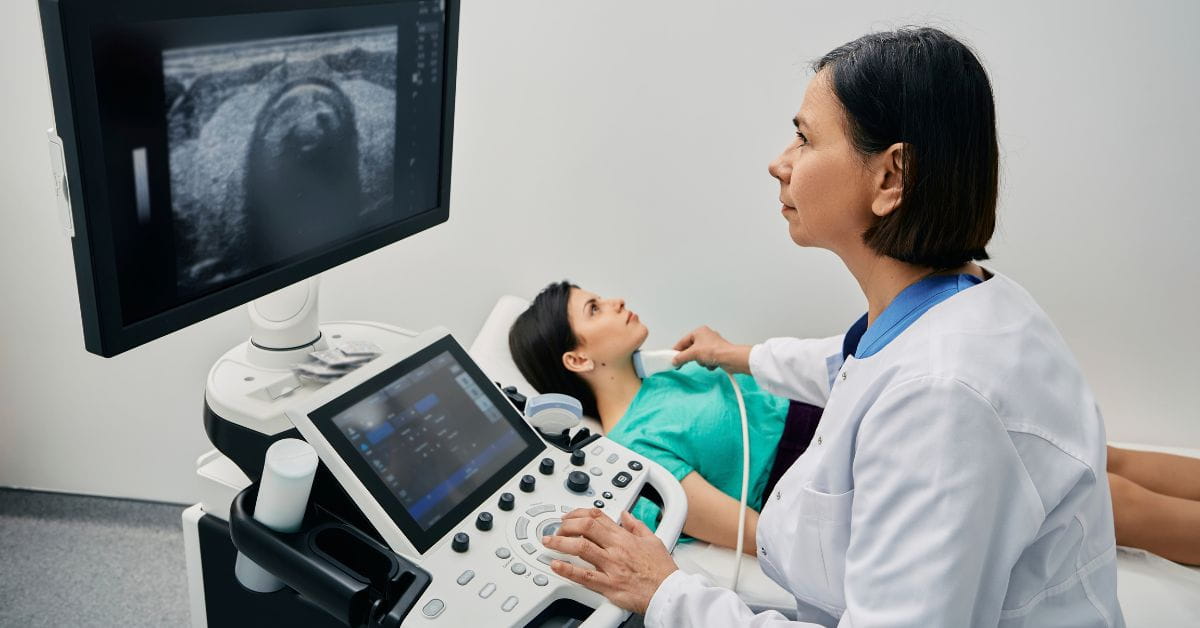
Most external ultrasonography exams are simple.
- You will usually lie on an examination table.
- A water-based gel is applied to your skin over the area under examination by the sonographer or medical practitioner.
- The gel facilitates successful ultrasonic wave transmission by lowering air between the probe and skin.
- This will assist the probe in maintaining good contact with the skin.
- Images are then displayed on a monitor while the transducer is moved throughout the examination area.
When your doctor takes Doppler measurements, the equipment may make noises that resemble pulses.
How Long Does an Ultrasound Take?
This answer solely depends on the sort of examination and the quantity of information needed. While some tests may take longer, most ultrasound appointments last between ten and forty-five minutes.
Further measures may be needed for more thorough tests, such as some Doppler studies, which would take longer.
How to Get the Most Accurate Ultrasound Results
Your appointment can be easy with a few easy steps:
- Prior to your consultation, confirm the precise type of ultrasound.
- Find out if fasting is necessary.
- Verify if you require a full bladder.
- As directed by your healthcare provider, take your medications as prescribed.
- Put on relaxed attire.
- When possible, bring prior pertinent reports.
- Tell about any symptoms or sensitive spots to the sonographer.
- Follow all of the diagnostic center's instructions.
Exams for the thyroid, breast, abdomen, pelvis, pregnancy, vascular system, and color Doppler may have varying needs.
Why Do You Do an Ultrasound or Color Doppler Scan?
When a doctor needs further information on a certain organ, tissue, blood vessel, or pregnancy, they may suggest an ultrasound. Investigating discomfort, swelling, tumors, suspected anomalies, or keeping an eye on a recognized ailment are common causes.
Plus, ultrasound can help medical practitioners with tasks like inserting needles. When evaluating blood circulation, a color Doppler test could be requested.
Doppler ultrasonography helps evaluate vessels in the neck, arms, legs, belly, or during specific pregnancy exams, based on the clinical condition. Your symptoms, medical history, and your doctor's clinical inquiry will determine the precise type of scan.
Final Words
The proper preparation for an ultrasound is not confusing, but the scan varies depending on the type of examination advised. While some patients may need to consume water and keep their bladders full, others may need to fast. There is minimal to no preparation needed for many scans, and your doctor will guide you on that.
To get an effective ultrasound in Siliguri, you might visit Dr. Yugal Goyal, a highly treasured expert for comprehensive ultrasound support.
FAQs
1. Is fasting required before an ultrasound?
Not all the time. While many ultrasound tests don't require fasting, certain belly scans might, so follow the guidelines provided for your particular scan.
2. Can I drink water before an ultrasound?
You must drink water and keep your bladder full during certain pelvic or urine scans; make sure you observe the guidelines for your appointment.
3. Is color Doppler ultrasonography safe?
When used properly by qualified specialists, diagnostic ultrasound, including Doppler techniques, is generally safe.
4. Does an ultrasound scan hurt?
Most external ultrasound scans don't hurt, but when a full bladder is needed, or over a sensitive location, you can feel a little pressure.
5. Can I eat before an ultrasound during pregnancy?
Depending on the pregnancy scan, your doctor will ensure your preparations. Follow your healthcare provider's guidelines because several prenatal ultrasounds have various criteria.
6. Can kids receive ultrasounds?
Yes, they can; when advised by a pediatrician, consider it without delay.


